
Where Do We Find Kindness When It Feels Thin?
What if kindness were political strength?
I’ve been thinking about human kindness the way you think about air: you only notice it when it thins out. And lately, it feels thinner.
If you’ve been following the news — elections, slogans, borders, blame — you’ve heard the hard, metallic tone in public language. Fast. Certain. As if tenderness is a liability. Not everywhere, not always, but often enough that it leaves a question hanging: Where is human kindness now? Is it naïve to look for it? Is it an illusion we invented to feel better about ourselves?
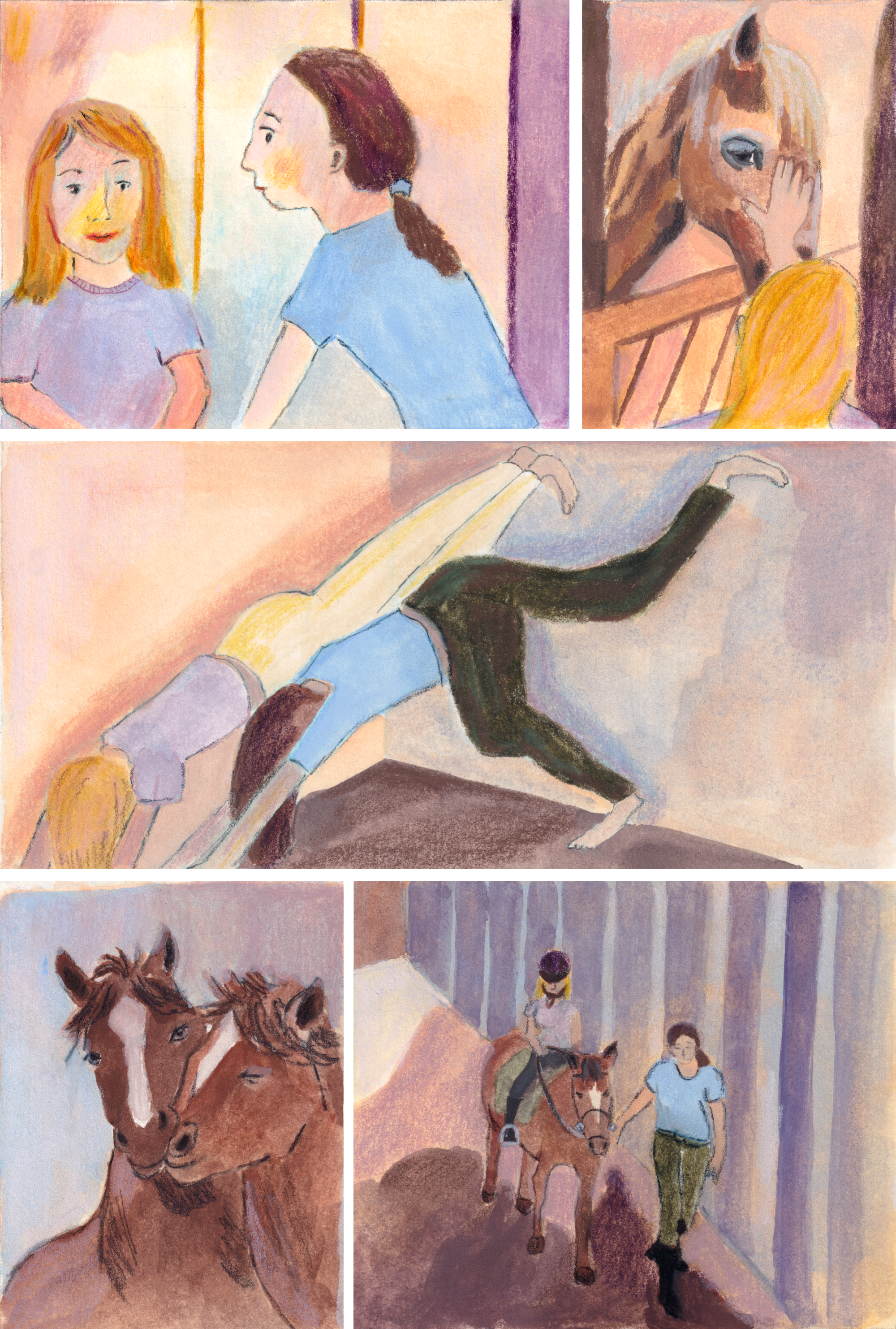
I can’t solve that in one blog post. But I do know how I look for kindness when it feels scarce: as an illustrator, in scenes. Here’s my narrative panel on kindness.
Kindness before the world teaches caution
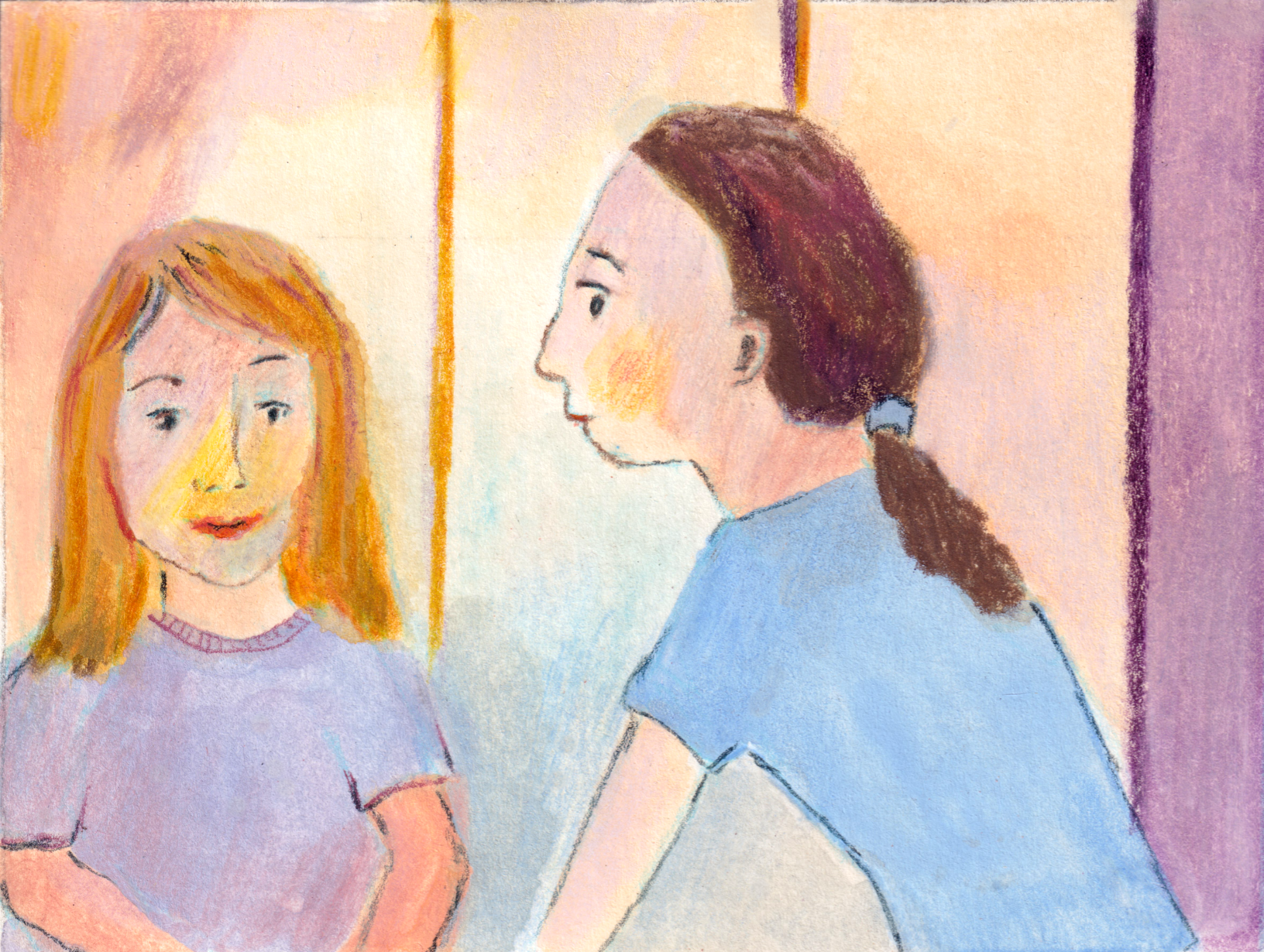
I recently watched my 6-year-old daughter meet an 8-year-old girl for the first time. No careful testing, no social choreography — just the clean bravery of childhood:
“Hi. I’m ___. What’s your name?”
Two names exchanged like small gifts. And then — almost immediately — they began to play. Within minutes, they were already adjusting to each other, offering tiny helps, taking turns, making space — as if that kind of mutual ease were the most natural thing. And it made me wonder: is this just a sweet moment, or is something like this built into us earlier than we think?
Research suggests that helping can come before strategy — that very young children often step in spontaneously, without being asked and without expecting anything back.¹ Even more humbling: similar forms of practical helping have been observed in chimpanzees — again, without obvious rewards.² Together, these findings point to something quietly radical: some roots of kindness seem older than manners, older than self-image.
But psychology is also honest about the other side. Children can learn “us versus them” with surprising speed — sometimes from the smallest cues, even arbitrary labels.³ So kindness isn’t a permanent stamp. It’s contextual. It grows — or shrinks — depending on what surrounds it: safety or threat, belonging or rivalry, who gets framed as “one of us,” and whether there’s enough inner space to stay nuanced.
Which makes the question less “Are humans kind?” and more this: What conditions make kindness easier to reach?
And that’s where my artist’s way of thinking turns toward nature.
Kindness as Safe Presence
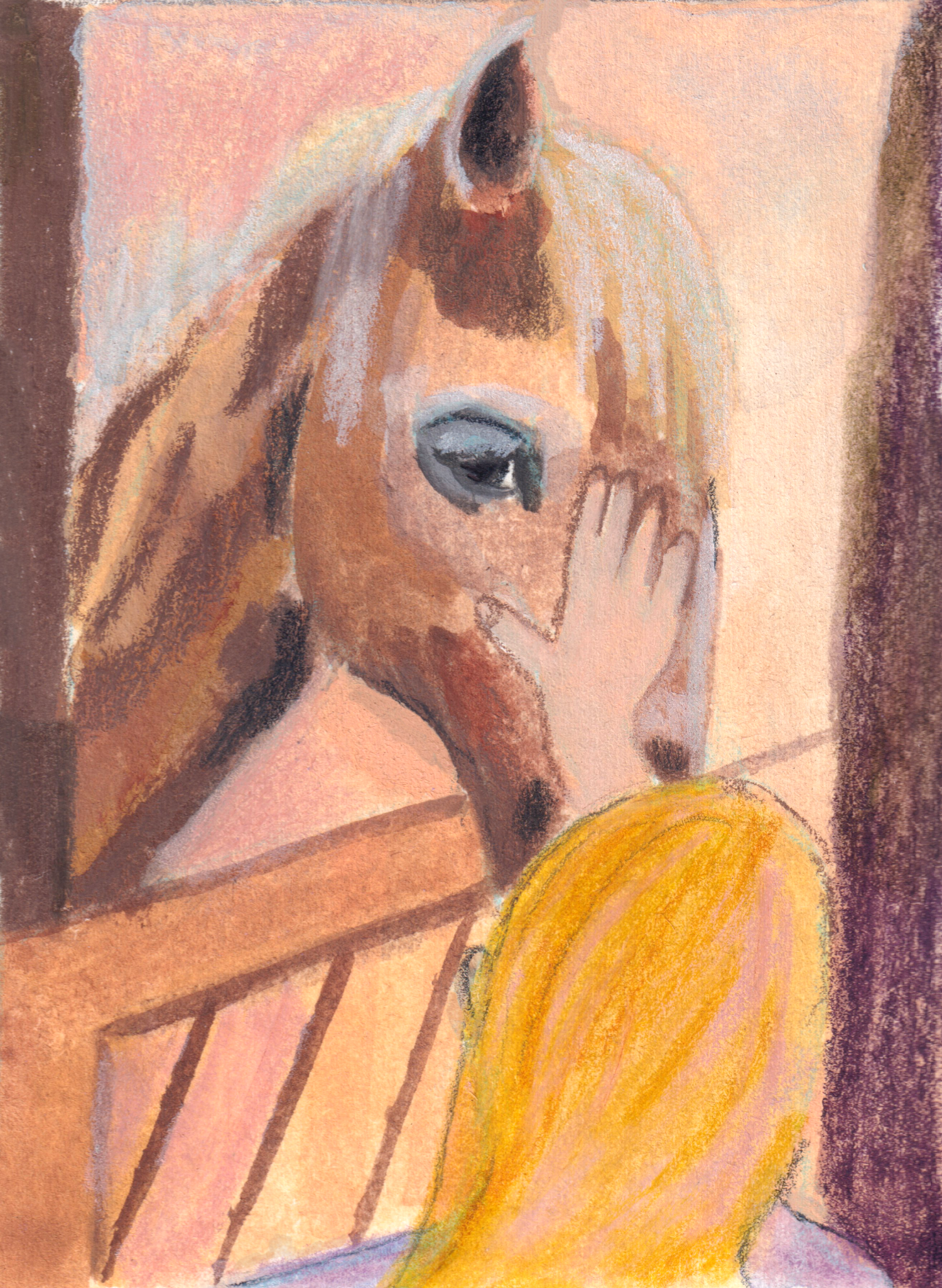
Right at our doorstep, two horses have become part of our everyday landscape. As my daughter started learning to ride, I’ve been gently nudged into learning about horses, too — and I didn’t expect how quickly that education would circle back to this newsletter’s question.
Horses are prey animals. Safety is their first language. They read the world through small changes — posture, breath, speed, distance — and they decide quickly. A tense body, a hurried step, a too-direct approach can create distance. Calm, predictable movement can do the opposite: it invites closeness.
What strikes me is how little this has to do with what we say. Horses respond less to our words and more to our nervous system — what we bring into the space without noticing. Being around them becomes a kind of quiet training: you can’t perform your way into trust. You learn that trust begins with respect: you don’t rush, you don’t corner, you don’t demand closeness. You offer steadiness, and you wait.
And lately, that feels like a definition of kindness I can actually use. Not kindness as a mood, or a slogan, or a personality trait — but kindness as the choice to be a safe presence. The kind that doesn’t escalate the atmosphere. The kind that makes space. The kind that says, without speech: you don’t have to brace around me.
Because so much of the public language, especially in right-wing populism, does the opposite. It rushes. It corners. It demands loyalty, not nuance. It trains the body for threat, hardens the voice, and turns people into categories and enemies. It feeds on fear, blame, and delusion — and then calls that “strength.”
Horses don’t respond to declarations. They respond to what’s real in the room. Lately, that feels like a lesson: if we want kindness to survive, we can’t just admire it — we have to practice it. In ordinary moments, on purpose, through the signals that say: I’m here. I’m steady. You’re safe with me.
Kindness as practice, not performance
I saw the same lesson, translated back into human life: two children building trust without speeches — through pace, presence, and small acts of steady support.
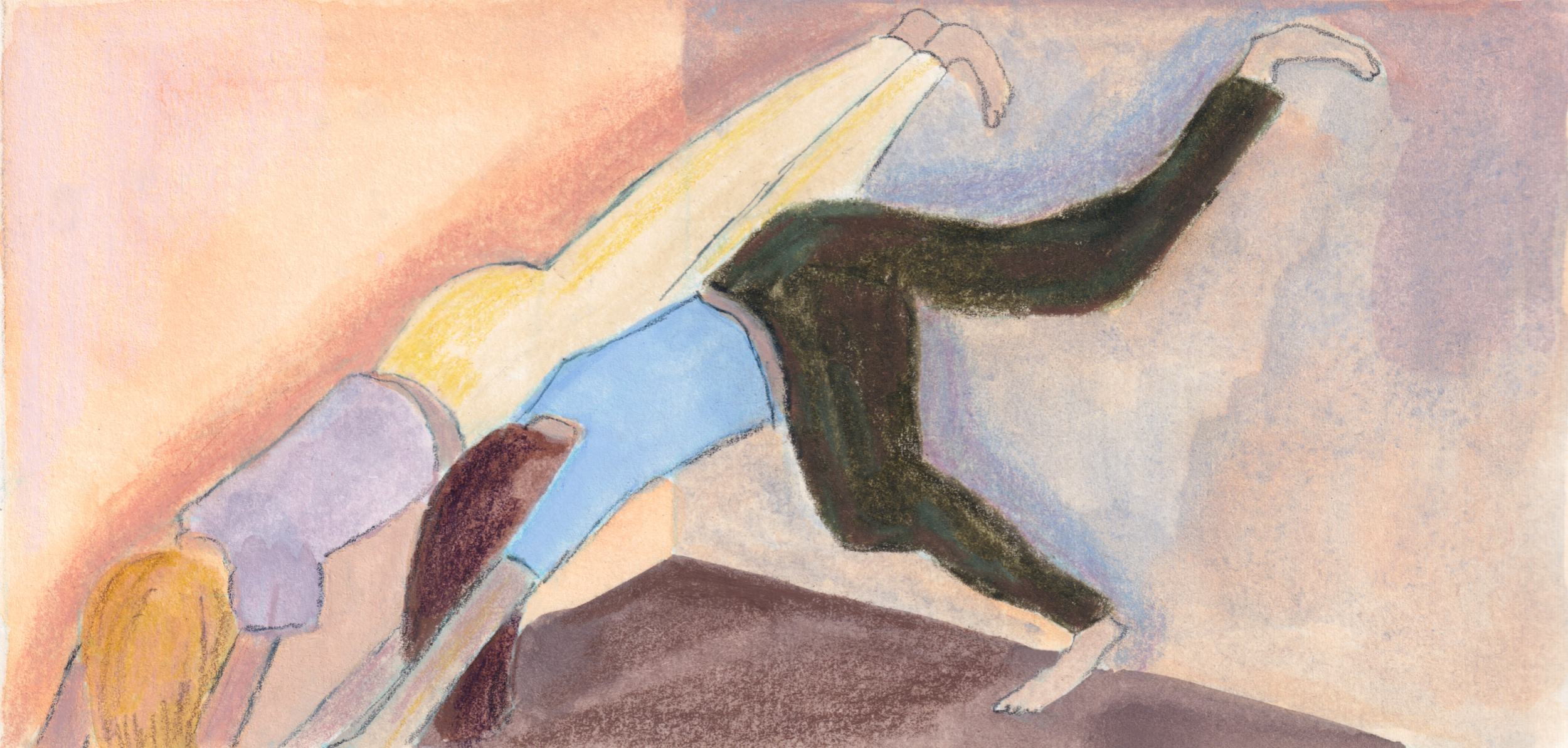
I followed my daughter and her new friend as they tried to do a handstand — laughing, determined. One shows the other where to place her hands. The other tries again. They swap roles. They correct each other without humiliation. They celebrate tiny progress like it matters. This is one of the most ordinary forms of kindness — and maybe the most important: the kindness of learning together. Not rescuing, not impressing, not winning. Just offering steadiness: Try again. I’m here. I’ll hold your ankles. I’ll show you what worked for me.
Psychology has a simple word for this: scaffolding⁴ — supporting someone just enough so they can do what they couldn’t do alone. And in a moment like this, you can see how kindness travels: not as a grand moral identity, but as a series of micro-choices — patience instead of impatience, encouragement instead of mockery. Watching them, I thought: maybe this is how a society stays human, too. Not through perfect people, but through small, steady acts of support that make growth feel safe.
Kindness as Interdependence
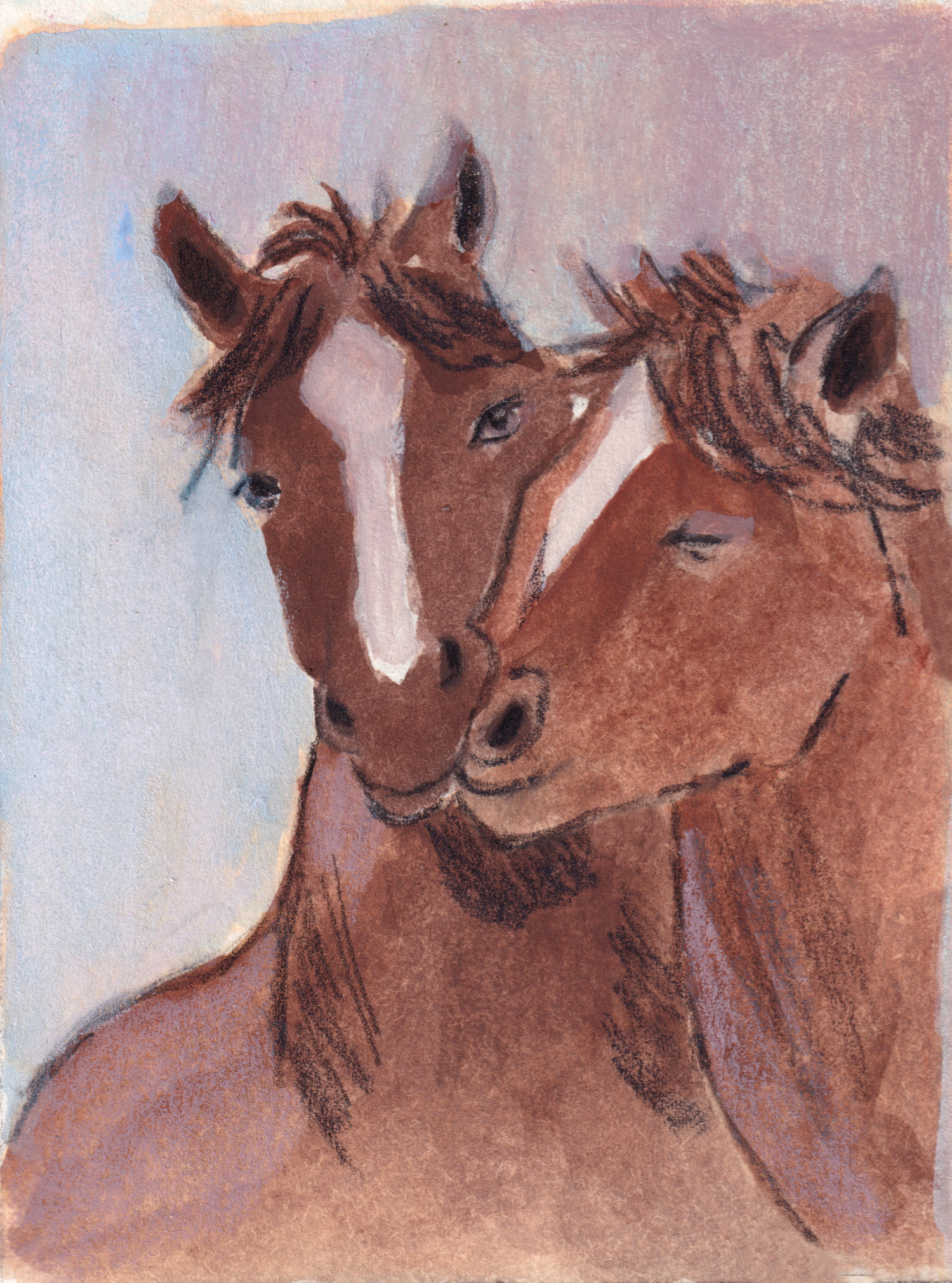
Meanwhile, I’ve watched the horses play too. Not in a cute, choreographed way — more like a conversation made of bodies: approach, retreat, a burst of speed, then a pause. One sets a boundary; the other adjusts. They test strength without turning it into harm. What looks like wildness is often something more intelligent: an ongoing negotiation of closeness and distance.
And it reminds me of the part of kindness we forget: kindness isn’t only warmth. It’s responsiveness — noticing what the other needs (space, slowness, reassurance) and adjusting your power accordingly.
Nature keeps making the same point. A forest isn’t built out of heroic individuals. It isn’t a collection of winners. It’s a network — roots and fungi, soil and rain, pollinators and time — a living system held together by exchange and restraint — not domination. That’s the thread I can’t stop pulling back into our human world. Politics often talks as if self-reliance is the highest virtue — every person for themselves, every group defending its territory. But if interdependence is the truth of living systems, then kindness isn’t a private luxury. It’s public infrastructure.
Watching the horses negotiate their play, I keep thinking: strength can exist without cruelty. Boundaries can exist without hatred. And maybe that’s what we’re starving for in public life — not perfect agreement, but a shared commitment to staying human with one another while we figure out how to live together.
Kindness as Guidance
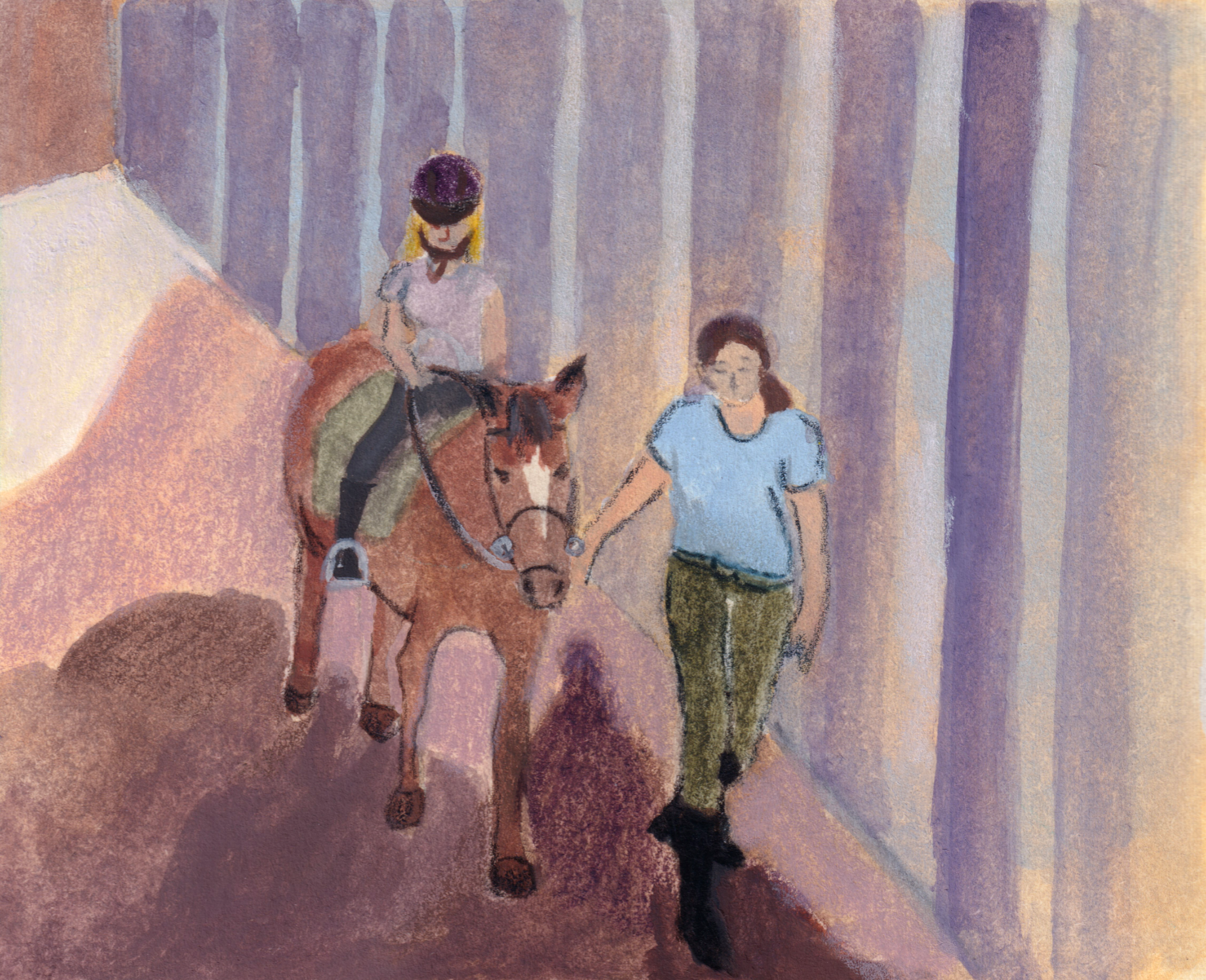
The last frame stays with me: a child riding, an adult walking alongside. Not in front. Not behind. Beside — close enough to steady, close enough to notice, close enough to intervene before fear becomes panic. Not pulling the reins. Not giving a speech. It’s such a simple image of guidance: leadership as accompaniment, not domination. Because this is what kindness often is: not a grand gesture, not a dramatic rescue, but the quiet creation of safety.
And then the political question becomes unavoidable. Who is walking beside us right now — and who is dragging us forward by the collar? Where are our leaders taking us — toward more safety, more dignity, more room to breathe — or toward tighter borders, louder blame, and a permanent state of alarm? Because the direction matters. If the pace is cruelty, if the language is threat, if the strategy is division, then no amount of private kindness can fully compensate. We don’t just need kinder individuals. We need a kinder direction.
What we owe each other
In many countries right now, public life rewards hardness. Suspicion is packaged as strength. “Us versus them” travels fast because it’s simple — and simplicity sells. But kindness is never simple. It costs something in the short term: restraint, listening, humility, the willingness to be wrong without turning cruel.
And without it — what do we have?
Efficiency without mercy.
Order without care.
Victory without meaning.
If psychology is right that we carry seeds of kindness, but context determines whether they sprout, then politics and culture have a responsibility that goes beyond winning: to build conditions where people don’t live perpetually braced, where complexity is allowed, where the “other” is not automatically a threat.
That is why I made a narrative panel for this newsletter. As an artist, I don’t only search for answers in arguments — I trace them in scenes. I look for kindness in pace, posture, distance, and choice: in a child who makes room for another child, in hands that steady someone trying something hard, in the calm a horse requires before it offers trust. I can’t change the headlines. But I can offer a different kind of attention — one that reminds us what real kindness looks like: not perfect, not saintly, just practiced.
Because maybe that’s where kindness lives now — not in speeches, but in the quiet, stubborn refusal to become coarse.
Thanks for reading — and for staying with me through these scenes.
Until next time,
Adrienn
If you’re curious about the psychological research I mentioned here, I’ve linked a few accessible starting points below.
Endnotes:
Warneken, F., & Tomasello, M. (2006). Altruistic Helping in Human Infants and Young Chimpanzees. Science.
Warneken, F., Hare, B., Melis, A. P., Hanus, D., & Tomasello, M. (2007). Spontaneous Altruism by Chimpanzees and Young Children. PLOS Biology.
Dunham, Y., Baron, A. S., & Carey, S. (2011). Consequences of “minimal” group affiliations in children. Child Development.
Wood, D., Bruner, J. S., & Ross, G. (1976). The role of tutoring in problem solving. Journal of Child Psychology and Psychiatry, 17(2), 89–100.